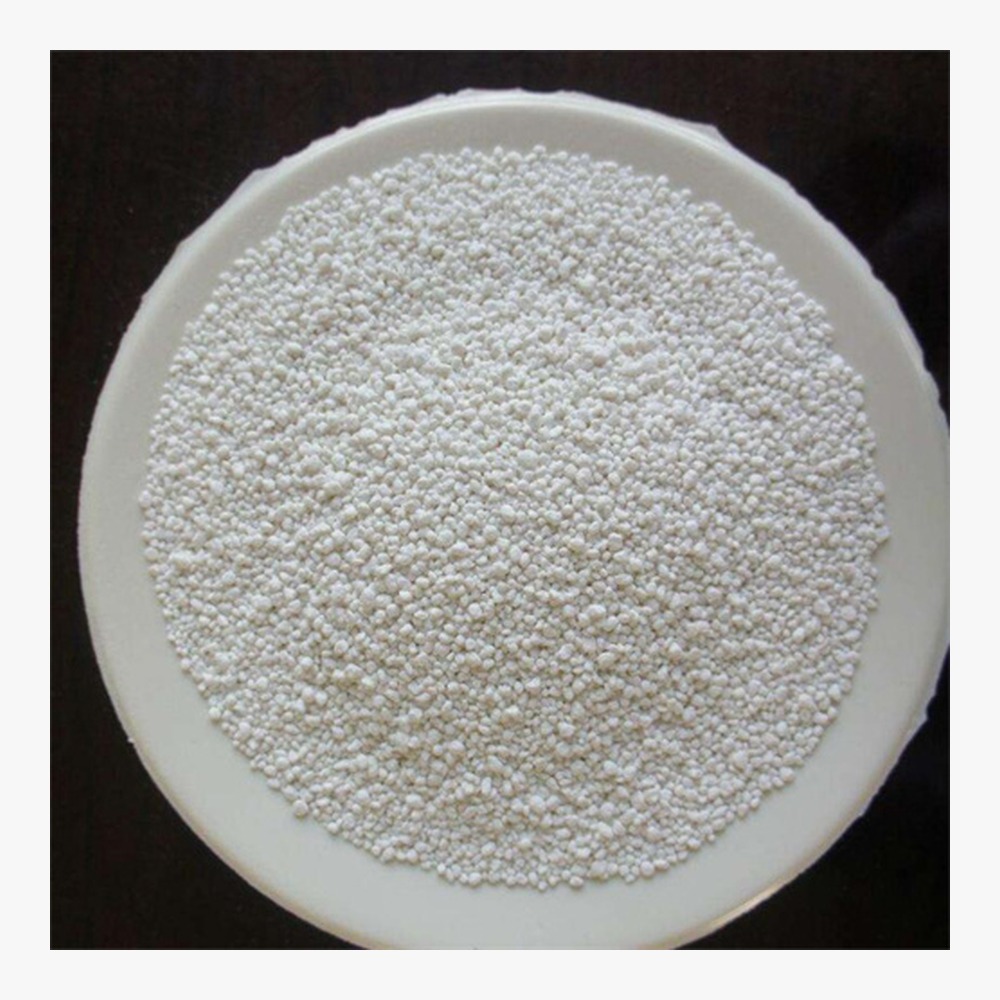
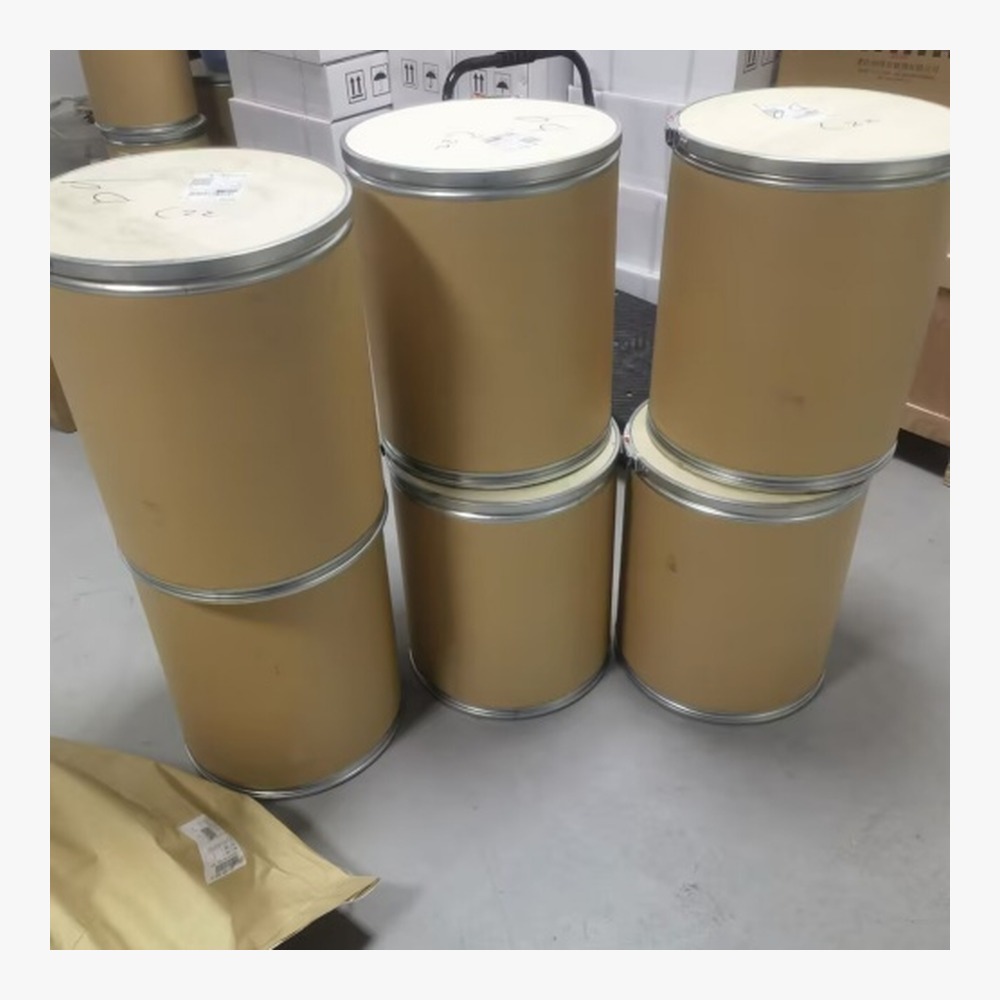
Product Name: Polycaprolactone
CAS No.: 24980-41-4
Appearance: powder
Packaging: 25 kg/drum

Product Name: Polycaprolactone
CAS No.: 24980-41-4
Appearance: powder
Packaging: 25 kg/drum
| Chemical Name | Polycaprolactone |
| CAS No. | 24980-41-4 |
| Appearance | powder |
| Item | Standard |
|---|---|
| Appearance | White to grayish white powder or particles |
| Intrinsic viscosity | The viscosity at 25 °C should be 0.20~0.26dl/g |
| Moisture | No more than 1.0% |
| Residue on ignition | No more than 0.1% |
| Heavy metal | No more than 10 parts per million |
| Arsenic salt | No more than 2 parts per million |
| Sn | No more than 500ppm |
| Molecular weight and molecular weight distribution | The average weight molecular weight should be 11000-16000, and the molecular weight distribution coefficient should not exceed 2.3 |
| ε-Caprolactone | No more than 0.5% |
| Residual solvent I (benzene) | No more than 0.0002% |
| Residual solvent I (methanol, ethyl acetate, toluene) | Methanol: No more than 0.089%Ethyl acetate: No more than 0.3%Toluene: No more than 0.5% |
| Bacterial endotoxin | No more than 0.9EU/g |
| Microbial limit | Total number of aerobic bacteria No more than 10³cfu/gTotal number of molds and yeasts No more than 10²cfu/g |
Polycaprolactone
Hot forming / Hand molding: Heat PCL particles/powder at 70–80℃ (hot water or heating oven). It turns soft and translucent, then you can shape it manually or put it into molds. It hardens at room temperature after cooling.
FDM 3D printing: Extrusion temperature: 80–120℃. It is widely used for tissue engineering scaffolds.
Injection molding / Extrusion: Processing temperature range: 90–130℃. Avoid overheating above 160℃ for a long time to prevent thermal degradation.
Blending: It can be melt-blended with PLA, PGA, PEG, calcium phosphate and other fillers to adjust degradation rate and mechanical performance.
2. Solution Processing (Electrospinning / Casting / Coating)
PCL can dissolve in organic solvents: dichloromethane (DCM), chloroform, toluene, dioxane, ethyl acetate. It is insoluble in water, alcohol.
Dissolve PCL powder in solvent under stirring. Prepare solution according to target concentration (usually 5~15 wt% for electrospinning).
Solution casting: Pour the solution onto flat substrate, let solvent volatilize slowly to form PCL film.
Electrospinning: Prepare spinning solution, then produce micro/nano fiber scaffolds for biomedicine.
Note: Organic solvents are volatile and hazardous, operate under fume hood.
3. Sterilization (for medical use)
Recommended: Ethylene oxide (EtO) sterilization, hydrogen peroxide plasma sterilization.
Not recommended: Gamma irradiation (will break molecular chain and accelerate degradation).
4. Storage & Notes
Store in sealed, dry and cool place, away from moisture.
PCL degrades slowly in physiological environment (months to years). Degradation rate depends on molecular weight, crystallinity and shape.
Avoid strong acid, strong alkaline environment which will accelerate hydrolysis.
For implant / medical application, validate all processing and sterilization procedures to meet biocompatibility requirements.
25 kg/drum
Store in sealed, dry and cool place, away from moisture.