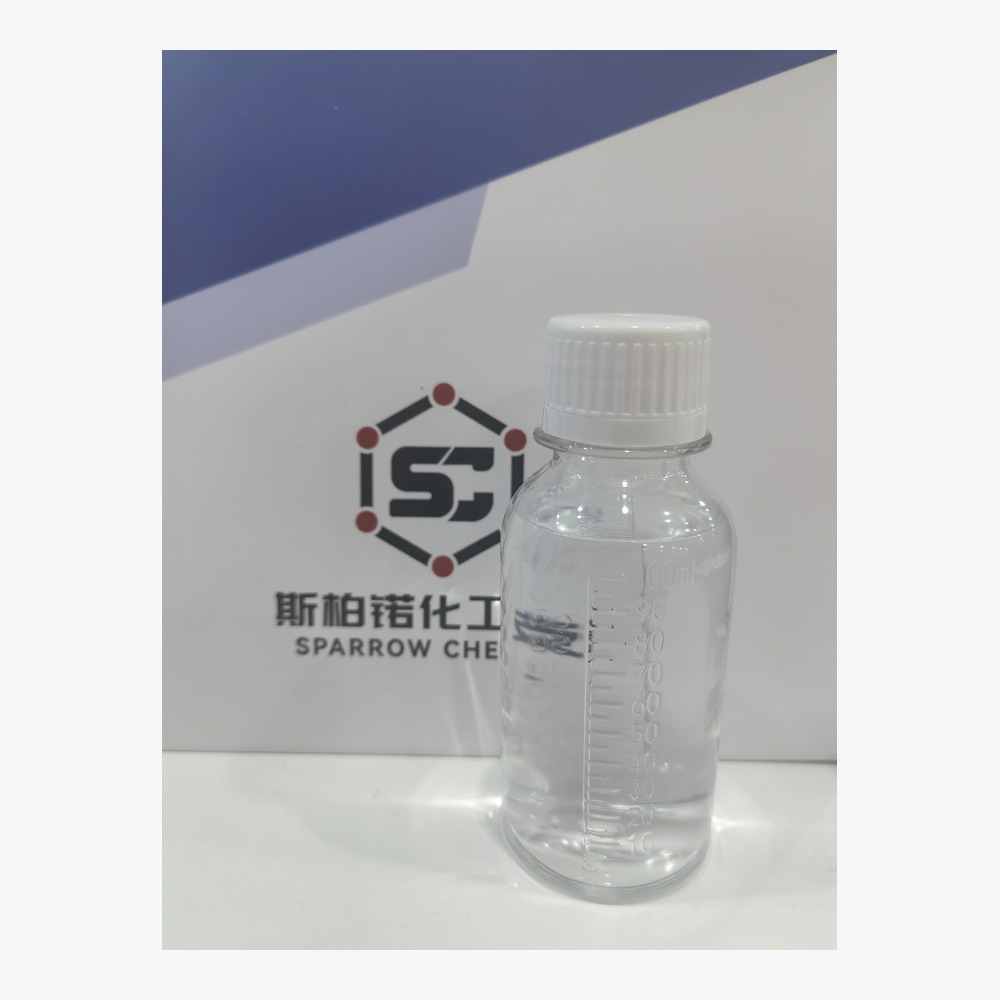
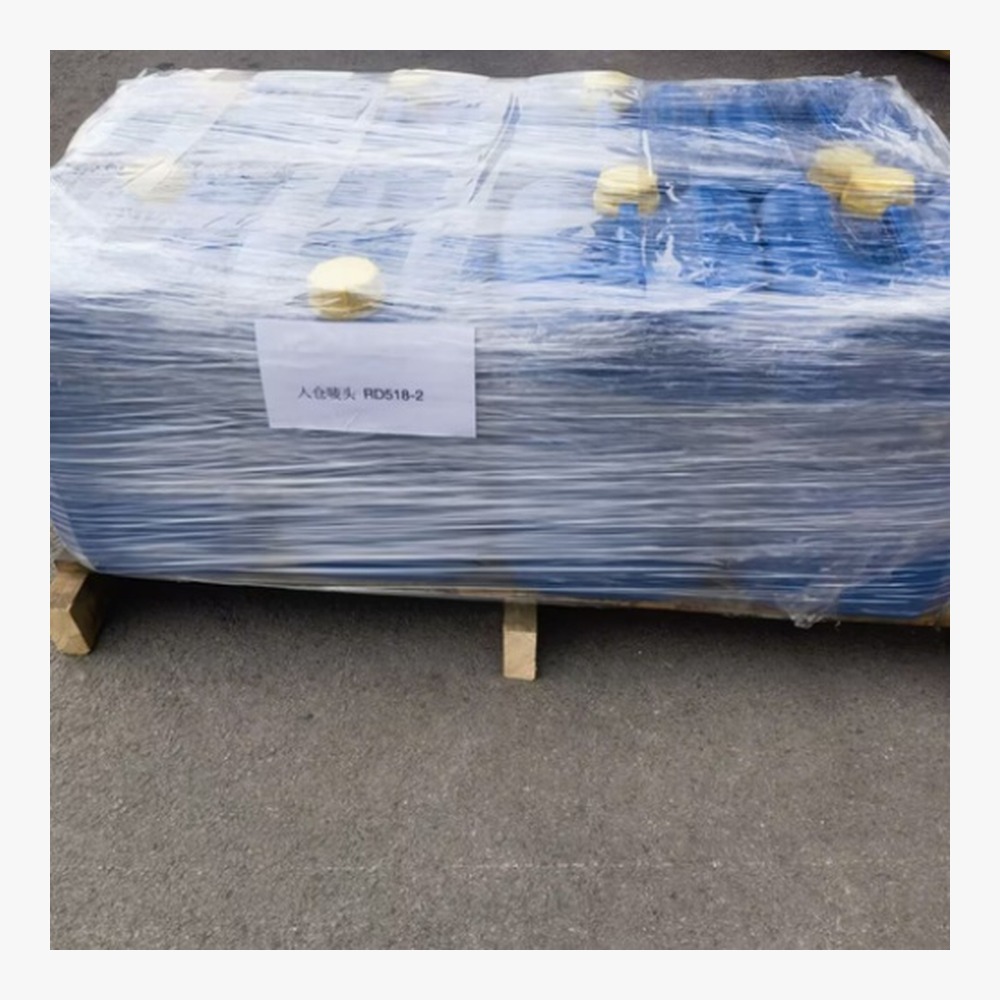
Product Name: 1,2-Epoxydodecane
CAS No.: 2855-19-8
Molecular Formula: C12H24O
Molecular Weight: 184.32
Appearance: colorless transparent liquid
Assay: 98%
Packaging: 1kg/bottle 25kg/drum

Product Name: 1,2-Epoxydodecane
CAS No.: 2855-19-8
Molecular Formula: C12H24O
Molecular Weight: 184.32
Appearance: colorless transparent liquid
Assay: 98%
Packaging: 1kg/bottle 25kg/drum
| Chemical Name | 1,2-Epoxydodecane |
| Other Name | 1,2-Dodecene oxide |
| CAS No. | 2855-19-8 |
| Molecular Formula | C12H24O |
| Molecular Weight | 184.32 |
| Appearance | colorless transparent liquid |
| Assay | 98% |
| Item | Standard |
|---|---|
| Appearance | colorless transparent liquid |
| Purity Wt Pct | >=98.0% |
| Color | Colorless to Almost colorless |
| Boiling point | 124-125 °C/15 mmHg (lit.) |
| Density | 0.844 g/mL at 25 °C (lit.) |
1,2-Epoxydodecane – Applications
It acts as a key synthetic intermediate for ionizable lipids used in nucleic-acid drug delivery. It undergoes ring-opening reaction with polyamines to introduce C12 long-chain hydrophobic alkyl tails for constructing multi-tail ionizable lipids, which are core raw materials for lipid nanoparticles(LNPs). The C12 alkyl chain modulates lipophilicity, particle stability and endosomal-escape performance of LNPs; such nanoparticles are widely studied as delivery carriers for mRNA, siRNA and other nucleic-acid therapeutics in biopharmaceutical research.
It serves as low-viscosity aliphatic reactive diluent for epoxy resin and cationic curing systems. Its epoxy group can co-react with curing agents and integrate into cross-linked polymer networks, avoiding migration issues of non-reactive diluents. It effectively reduces system viscosity, improves substrate wettability and processing operability, and the long-chain alkyl segment enhances flexibility and impact resistance of cured films. It is widely applied in epoxy coatings, industrial adhesives and composite material formulations.
It is an important raw material for manufacturing long-chain non-ionic and cationic surfactants. The strained epoxy ring can perform ring-opening addition with amines, alcohols or polyols to produce β-amino alcohols, 1,2-diols and quaternary ammonium derivatives. The C12 hydrophobic carbon chain endows products with excellent surface-active properties; these derivatives are used in industrial detergents, textile softeners, emulsifiers and dispersants for cleaning-related formulations.
It is applied for synthesizing oil-soluble functional additives for lubricants and diesel fuels. After ring-opening modification with nitrogen-containing or sulfur-containing nucleophilic reagents, it generates oil-soluble friction modifiers, anti-wear agents and antistatic additives. Its long aliphatic hydrocarbon chain brings good compatibility with mineral base oil and diesel oil; these additives can form protective adsorption films on metal surfaces to reduce friction loss and improve antistatic performance of fuel and lubricating systems
1kg/bottle 25kg/drum
Store in a dry place and protect from direct light.